In Fatih
13 places · parks, museums, landmarks
SemtAtlas is a curated Istanbul travel guide that brings headline landmarks and quieter finds into one clean browse. Narrow places by district, setting, timing, duration, and cultural fit to build a clearer day.
Quick filters
More filters
Type
Dress code
Best tours in Fatih
Affiliate links — we earn a commission when you book; it costs you nothing extra.
Blue Mosque
An early 17th-century imperial mosque famous for its Iznik tile interior. It's still an active place of worship, so visits are scheduled around prayer times.
1h
Fatih·Covered

mosque
Gülhane Park
Gülhane Park is Istanbul's oldest public park, sprawling on the grounds of Topkapı Palace. It's a green escape with palace walls, sea views, and plenty of shade.
1h
Fatih

park
Spice Bazaar
This is the city's main spice market, a covered arcade in Eminönü filled with stalls selling everything from saffron to lokum. It's smaller and more focused than the Grand Bazaar, with a strong scent of herbs and tea in the air.
1h
Fatih

bazaar
Süleymaniye Mosque
Süleymaniye Mosque, designed by Mimar Sinan for Suleiman the Magnificent, is a masterpiece of Ottoman architecture. Its hilltop location offers one of the best views of the Golden Horn.
1h
Fatih·Covered

mosque
Basilica Cistern
A vast, atmospheric 6th-century underground cistern built by Emperor Justinian. Walk on raised platforms above shallow water, surrounded by a forest of columns.
TL 900·1h
Fatih

historic
Ecumenical Patriarchate
The spiritual center of the Eastern Orthodox Church, located in the historic Fener neighborhood. It's the seat of the Ecumenical Patriarch, considered 'first among equals' in Orthodox Christianity.
1h
Fatih·Modest

religious
Hippodrome of Constantinople
This long, open square was the heart of Byzantine Constantinople's public life. Today, you can see the Egyptian Obelisk, Serpent Column, and Walled Obelisk marking its ancient spine.
1h
Fatih

historic
Kariye Mosque (The Chora)
A Byzantine church converted to a mosque, famous for its intricate Late Byzantine mosaics and frescos. It's in the Edirnekapı neighborhood.
1h
Fatih·Covered

historic
Little Hagia Sophia
Originally a 6th-century Byzantine church dedicated to Saints Sergius and Bacchus, this building was later converted into a mosque. It's a quieter, smaller-scale architectural sibling to the grand Hagia Sophia.
1h
Fatih·Covered

mosque
Rüstem Pasha Mosque
A Mimar Sinan-designed mosque tucked above the Spice Bazaar, famous for its incredible collection of Iznik tiles. It's a small, peaceful space that feels like a hidden treasure chest.
1h
Fatih·Covered

mosque
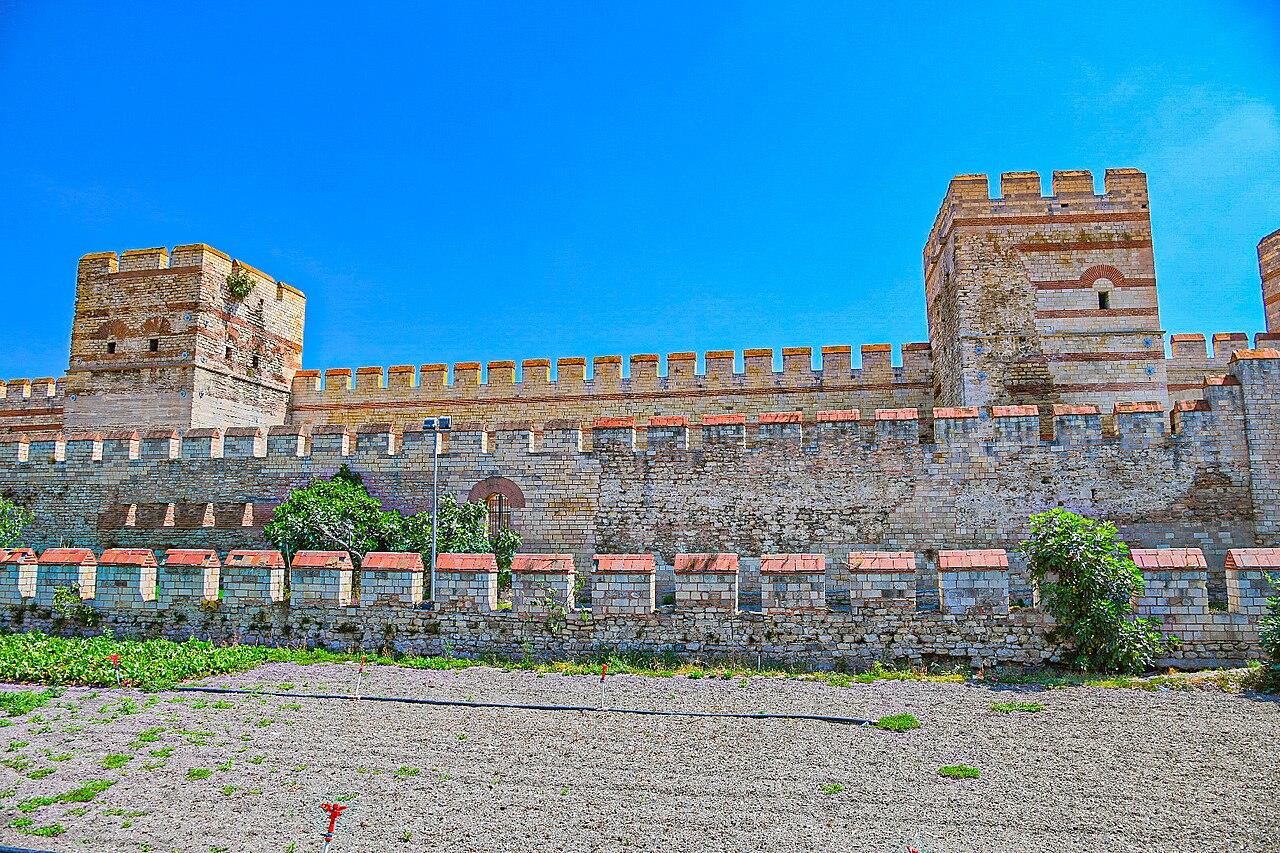
Theodosian Walls
These are the massive stone walls that protected Constantinople for centuries. You can walk along sections of them, especially around the Edirnekapı and Topkapı areas, to get a sense of the city's ancient scale.
1h
Fatih
historic

